Origin
Look for a clearly stated Japanese origin and producer.
Choose your matcha. Warm the water. Whisk a bowl. Discover Japanese flavor, craftsmanship, and hospitality in these simple moments. Published by Momochidori, Inc., CHADO guides you through choosing matcha, preparing it at home, and exploring chanoyu, the Japanese way of tea.
CHADO is operated by Momochidori, Inc. As an Amazon Associate, we earn from qualifying purchases.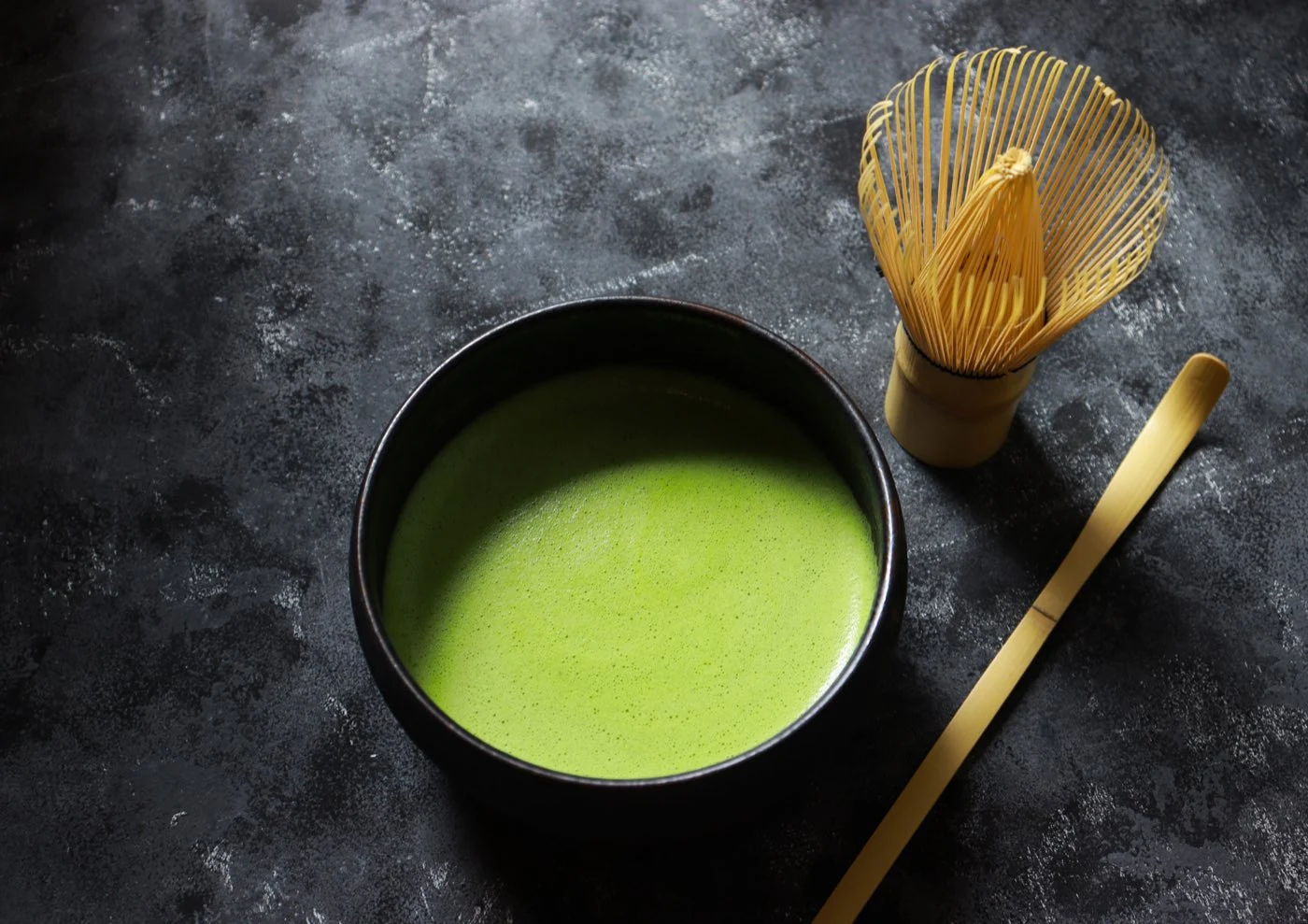
Matcha is powdered Japanese green tea made from tencha. Unlike sencha, which is infused and strained, matcha is whisked into water and consumed with the finely ground leaf. Chanoyu, the Japanese tea ceremony, brings tea, utensils, hospitality and Japanese culture together.
Look for a clearly stated Japanese origin and producer.
Choose an amount you can finish and packaging that seals well.
Select for usucha, latte, smoothies, or baking.
Matcha begins with tea leaves grown under shade. The leaves are steamed, dried without rolling, refined into tencha, and finally ground to a fine powder.
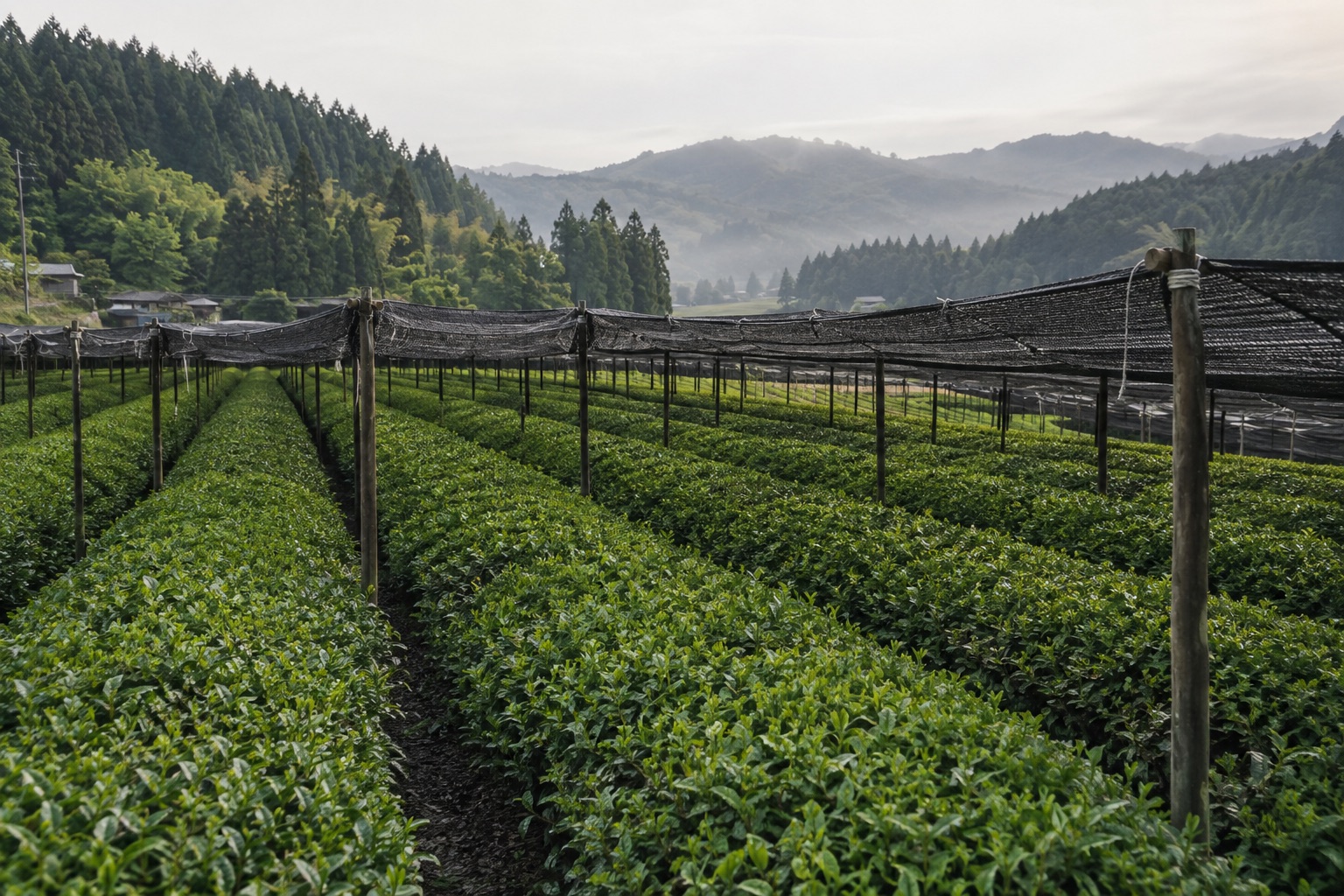
Tea fields for tencha are covered before harvest to reduce direct sunlight.
Fresh leaves are quickly steamed to stop oxidation and preserve color and aroma.
The leaves are dried without rolling, then stems and veins are removed to make tencha.
Tencha is ground into a very fine powder. Stone milling is one traditional method.
Usucha and koicha are not different tea plants. They describe two ways of preparing matcha. Usucha is the approachable starting point; koicha calls for matcha suited to a fuller, concentrated bowl.
Tea leaves are steamed, dried without rolling, refined into tencha, then ground to a fine powder. The same matcha tradition includes both usucha and koicha.
Move the chasen briskly back and forth and refine the foam. Its lighter body makes it an accessible first bowl at home.
A smaller amount of water is worked into the matcha with the chasen in a kneading motion. Choose matcha recommended for koicha.
Quantities and water temperature are starting points. Follow the producer’s directions and the guidance of your tea school or host.
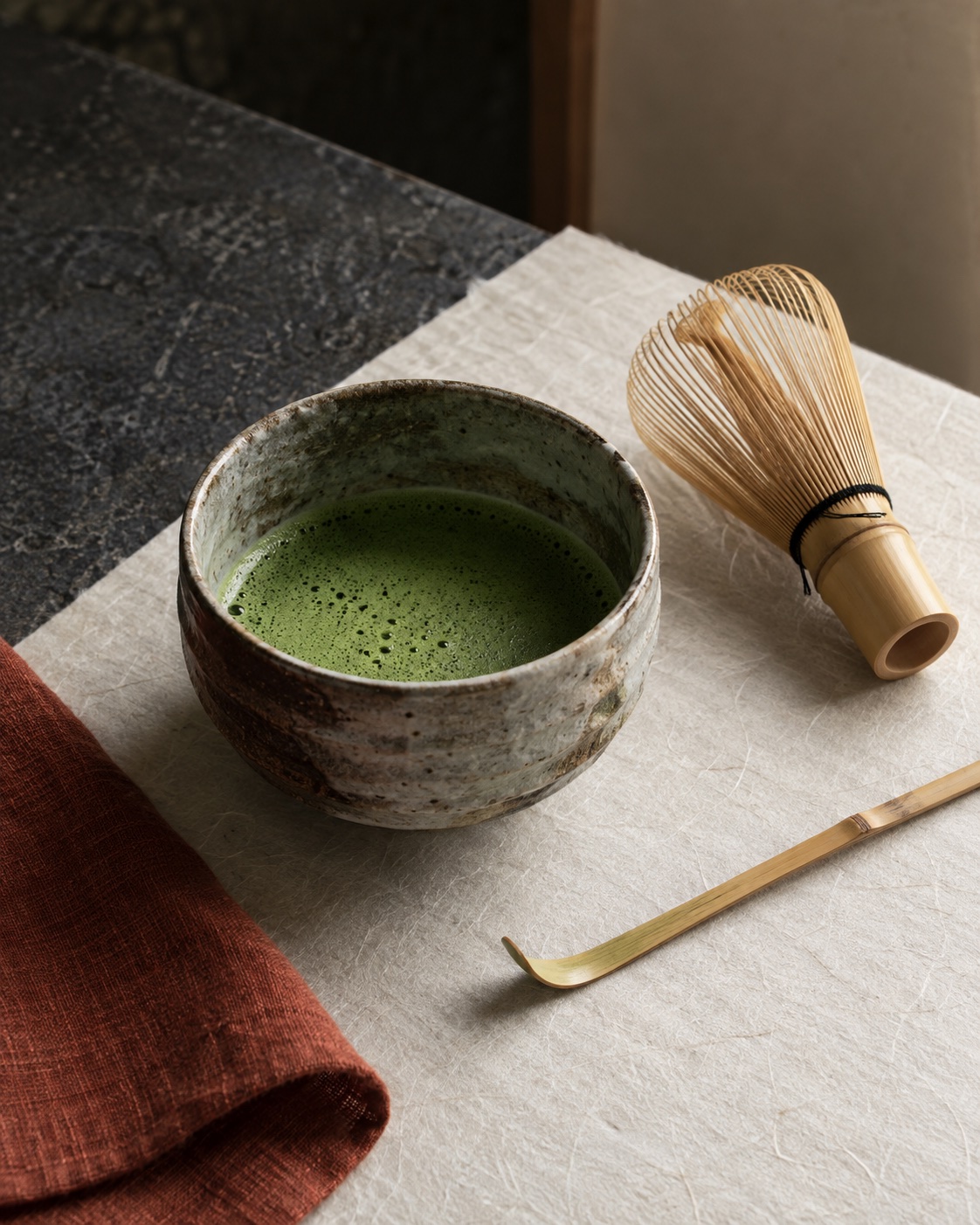
These are practical starting points for usucha. Adjust the amount and water temperature to the maker’s instructions and your own taste.
Warm and dry the bowl. Sift about 2 g of matcha into it.
Pour in about 60–70 ml of water at 70–80°C.
Move the chasen briskly back and forth until the tea is smooth, then pause and taste.
Start simply, then adjust one element at a time. The maker’s instructions always take priority.
Japanese matcha for drinking, a chasen, and a wide food-safe bowl are enough to begin.
Sift the powder first and add a small amount of water before whisking.
Try slightly cooler water, a little less powder, or the producer’s recommended recipe.
Rinse the chasen gently, let it dry fully, and store matcha as the maker directs.
“Ceremonial” and “culinary” are commercial guides, not globally regulated grades. Read the origin, ingredients, flavor notes, amount, and storage guidance.
For aroma, umami, and a smooth finish.
Look for a named producer, clear origin, and specific tasting notes.Find matcha on AmazonFor a clear tea character alongside milk or food.
Choose 100% matcha with no added sugar, flavors, or milk powder.Find latte matcha on AmazonYou do not need ornate equipment. Start with tools that are comfortable to use, easy to care for, and suited to one another.
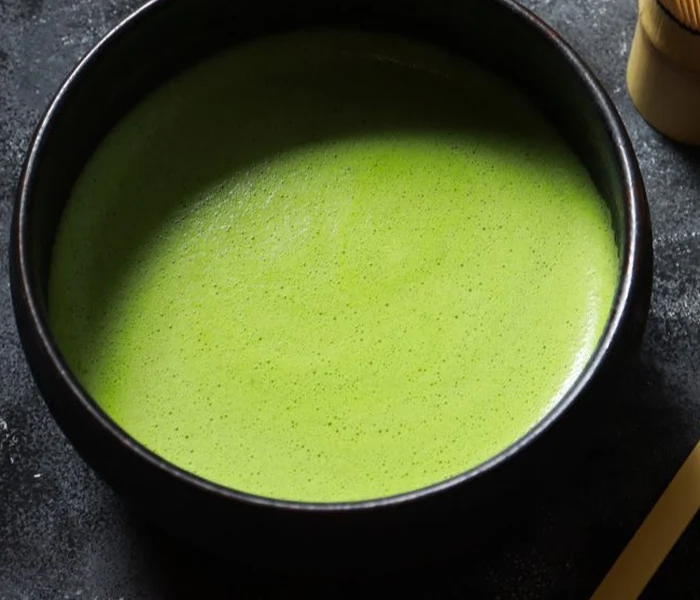
Choose by flavor, purpose, origin, and an amount you can finish fresh.
Find matcha on Amazon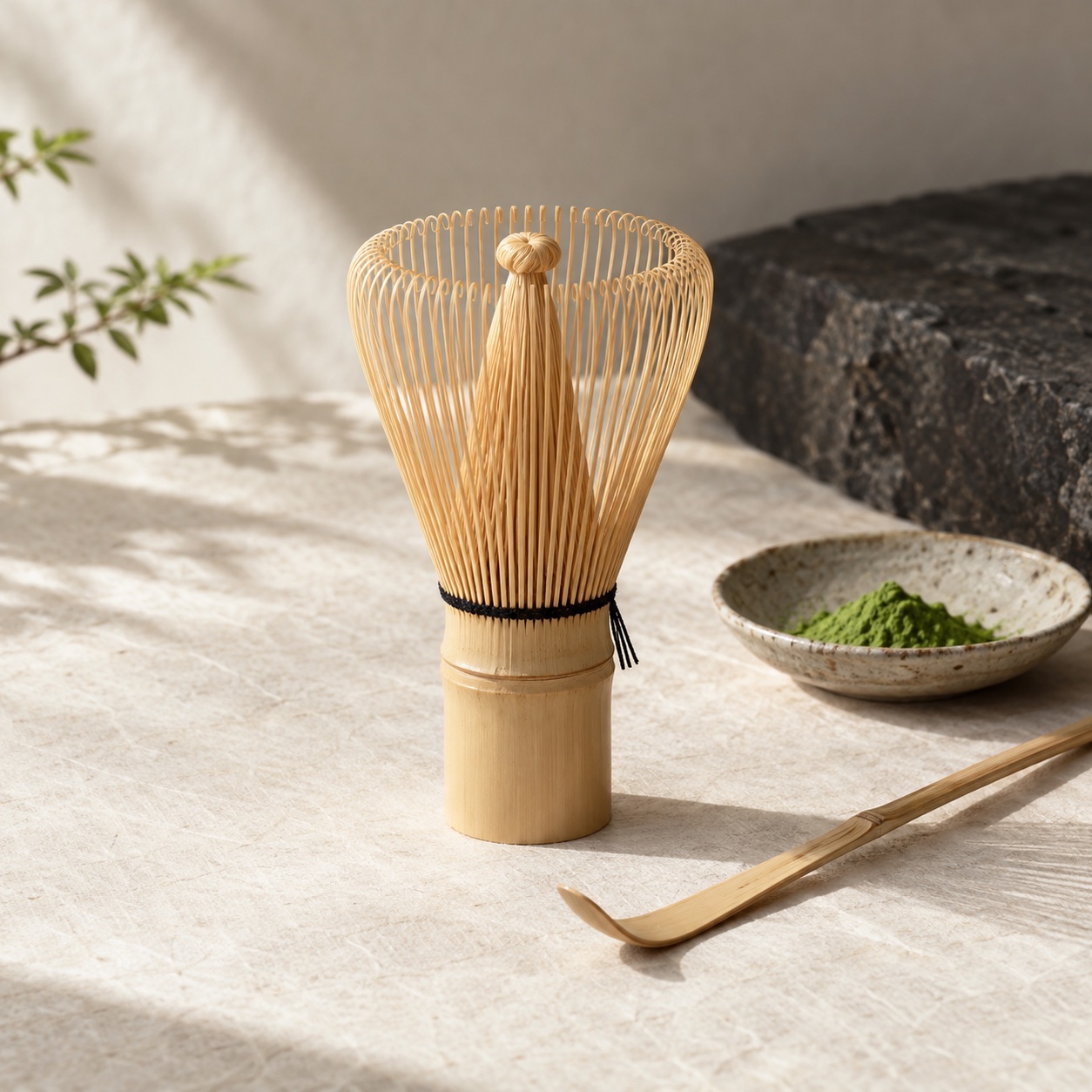
Made to blend matcha and water. Rinse gently and let it dry completely.
Find a chasen on Amazon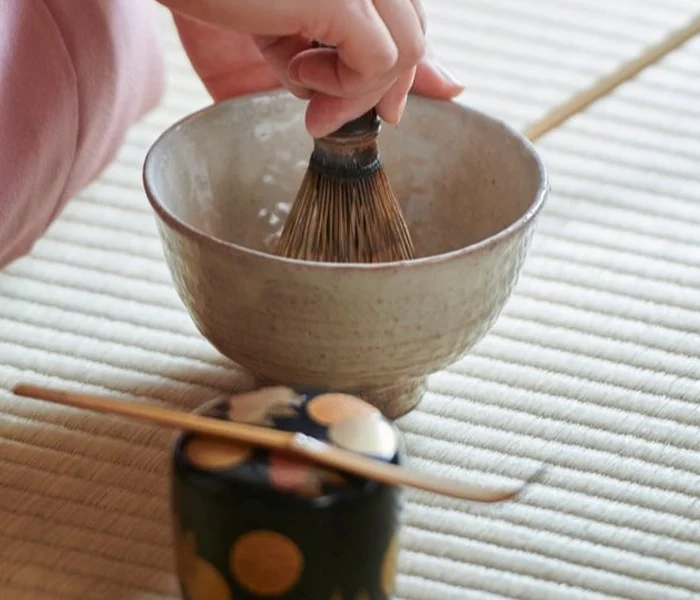
Choose a food-safe bowl wide enough to move the whisk comfortably.
Find a tea bowl on AmazonImages are for inspiration. Each link opens Amazon search results for related products, not the exact item pictured.
One way to understand the values of chanoyu is through four principles: harmony, respect, purity, and tranquility. They guide care for people, utensils, and the shared moment.
Harmony
Respect
Purity
Tranquility
A small tin of Japanese matcha, a bamboo whisk, and a wide bowl are enough. Choose matcha described for drinking if you plan to make usucha.
Yes. The amount varies with the product and serving size. Check the product information and adjust your intake if caffeine is a concern.
Follow the maker’s instructions. Keep it tightly sealed and away from heat, light, moisture, and strong odors.
Choose your Amazon region in the header. Selection, price, tax, stock, delivery, and returns depend on the seller and your location.
Both are Japanese green teas. Matcha is finely ground tencha whisked into water; sencha is rolled tea leaf steeped in water, then strained. A bamboo chasen is used for matcha, while sencha is commonly brewed in a kyusu teapot.
Discover a chanoyu experience with tea practitioner Tsubaki Sasaki, with attention to utensils, gesture and hospitality.
Bringing Japanese culture and tea into everyday life. CHADO is created, edited, and operated by Momochidori, Inc. in Fukuoka, Japan. Details of chanoyu experiences with Tsubaki Sasaki are available on the dedicated page.
CHADO is planned, edited and operated by Momochidori, Inc. We update our matcha, Japanese tea and chanoyu guidance by checking maker information, public sources and cultural context. Product choice, stock, price and delivery conditions should be confirmed on the destination site.
Visit Cha no Yohaku for practical, long-form guides, or note for shorter essays and observations. Choose the reading experience that suits your time and curiosity.